

By Hank Russell
Attorney General Letitia James filed a lawsuit against Valve Corporation on February 25 at New York State Supreme Court in Manhattan. According to the suit, the video game developer was allegedly illegally promoting gambling through video games popular with children and teenagers.
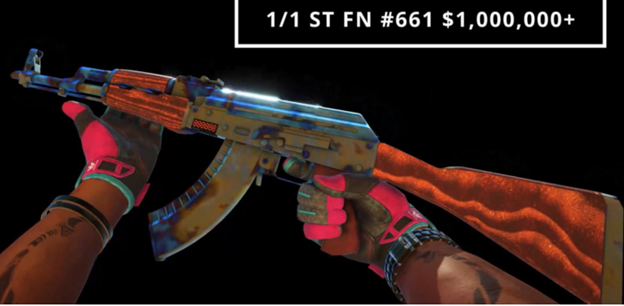
An investigation by the Office of the Attorney General (OAG) found that Valve’s video games, including Counter-Strike 2, Team Fortress 2, and Dota 2, allegedly enable gambling by enticing users to pay for the chance to win a rare virtual item of significant monetary value. In Valve’s most popular game, the process resembles a slot machine, with an animated spinning wheel that eventually rests on a selected item. The randomly selected virtual items have no in-game functionality but can be sold online for money, with one item reportedly being sold for more than $1 million.
The lawsuit pointed to a “Loot Box” feature, which can only be opened if the gamer buys a key. There, they can buy items from this box that are worth “only pennies—far less than what they spent to open the loot box.” Further, the OAG said the loot boxes can be compared to slot machines, in which “the spinning wheel conveys the illusion of a ‘near miss’ when it appears to stop close to, but not on, a valuable item.”
“This loot box model that Valve has developed — charging an individual for a chance to win something of value based on luck alone — is quintessential gambling, prohibited under New York’s Constitution and Penal Law,” the lawsuit states.
The lawsuit alleges that Valve has made billions of dollars luring its users, many of whom are teenagers or younger, to engage in gambling in the hopes of winning expensive virtual items that they can cash in on. Research has shown that children who are introduced to gambling are at a significantly higher risk of developing gambling addictions later in life.
“Illegal gambling can be harmful and lead to serious addiction problems, especially for our young people,” James said. “Valve has made billions of dollars by letting children and adults alike illegally gamble for the chance to win valuable virtual prizes. These features are addictive, harmful, and illegal, and my office is suing to stop Valve’s illegal conduct and protect New Yorkers.”
The value of Counter-Strike’s skins rose significantly in recent years, attracting speculators and investors who viewed these virtual items as potentially lucrative digital assets. In March 2025, it was reported that the market for Counter-Strike skins had surpassed $4.3 billion.
Valve allows users to cash in on the virtual items they have won in two ways. Users can sell the items they won through Valve’s own virtual marketplace, the Steam Community Market, where they can use the proceeds to buy other video games, video game hardware, and other virtual items. Users can also connect their Valve accounts to third-party marketplaces where the virtual items can be sold directly for cash. The OAG’s investigation found that Valve facilitates and even assists these third-party marketplaces in their operations.
The high value of Counter-Strike’s rare skins and the ease of liquidating items through third-party marketplaces have made Valve’s virtual items an attractive target for thieves. Valve has received hundreds of thousands of support requests from users reporting that their Steam accounts had been hacked, or that they had been tricked into transferring items to a bad actor.
In addition, the OAG noted that Valve’s promotion of games that glorify violence and guns helps fuel the dangerous epidemic of gun violence, particularly among young gamers who can become numbed to grave violence before their brains are fully developed.
Long Island Life & Politics reached out to Valve and did not hear back as of press time.