
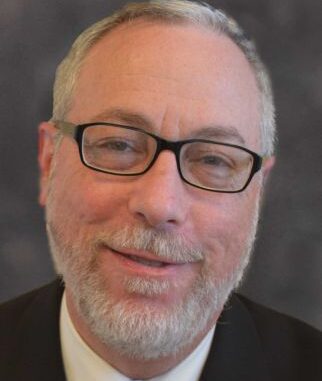

By Aaron E. Glatt, MD
I became a physician to save lives, not aid in their death. The physician/patient relationship is built on trust. That’s why it’s deeply troubling that the legalization of assisted suicide could soon become law in New York. Assisted suicide will impair that trust and make patients wonder if their physician has their best interests at heart. Physicians must be totally committed to providing the best care possible to every patient; there simply is no room for assisted suicide in my treatment calculus.
Governor Kathy Hochul has a decision before her, and with all of the concerns that have been raised the best course of action would be to veto this legislation while we reflect on how to provide the best end-of-life care for our patients.
Assisted suicide is an ethically very slippery slope that puts our most vulnerable — the elderly, terminally ill, and people with disabilities — at grave risk. It undermines the unique role of a physician as healer, whose primary responsibility must always be “Do No Harm.” Actively advocating for the taking of life goes against these principles; it is essentially impossible to regulate and fails to address the underlying concerns of those seeking out a premature death.
Assisted suicide as a policy is impossible to regulate, leaving the door open to abuse, harm, and coercion. Proponents tout the so-called “safeguards” built into assisted suicide laws, but these are severely lacking. In truth, there is no “safeguard” in place that would protect the most vulnerable in society from abuse and coercion. In 2019, the National Council on Disability published a study that detailed the dangers of assisted suicide laws to people with disabilities. It found that “safeguards” in these laws are “ineffective, and often fail to protect patients.”
Furthermore, in the states where these “safeguards” have been included and enacted in the assisted suicide law, we are now finding that these “safeguards” are becoming “barriers.” The supposed “protection” of patients is being reduced or altered to put patients more at risk of abuse and coercion. With so little in place to protect those who need it most, Governor Hochul cannot, in good conscience, support the policy on her desk. Trying to add new safeguards at the last minute, while admirable, could lead to unintended consequences within a very complicated medical system. There are many real concerns at play in assisted suicide.
Physicians have made great strides in palliative care and pain control, and it is rare instances where a patient requests assisted suicide for intractable pain. No patient should have to experience unbearable pain. And, in fact, pain does not even make it into the top five reasons that patients seek out assisted suicide. According to data from Oregon, the state where assisted suicide has been legal the longest, the top five reasons include: being less able to engage in enjoyable activities, loss of autonomy, loss of dignity, being a burden on family/friends, and losing control of bodily functions. These are serious existential concerns that deserve to be addressed with multidisciplinary care, not assisted suicide. Therefore, we should not be recommending termination of life because of these issues.
I am not alone in my thinking on this. The American Medical Association (AMA), the largest association of physicians in the United States, is opposed to assisted suicide. After a rigorous two-year study, the AMA voted by a 71% majority to remain opposed to assisted suicide in 2019. Just this last June, the AMA reaffirmed this opposition. The AMA posited that assisted suicide is “fundamentally incompatible” with the physician’s role as healer, and the practice would pose serious risks to society. The AMA is among two other medical associations, the American College of Physicians and the World Medical Association, in upholding its stance against assisted suicide. With such an overwhelming rejection of assisted suicide by the medical community, it is hard to see how Governor Hochul could seriously consider approving the bill.
With all the disparities in healthcare today, it is more important than ever to focus on providing quality medical care and providing equal access to all New Yorkers, not push dangerous policies like assisted suicide. I urge Governor Hochul to veto this flawed and misguided legislation.
Aaron E. Glatt, MD, is the associate rabbi of Young Israel of Woodmere; chair and professor of medicine at Mount Sinai South Nassau; and chair of medical ethics and halacha of the Rabbinical Association of America.